
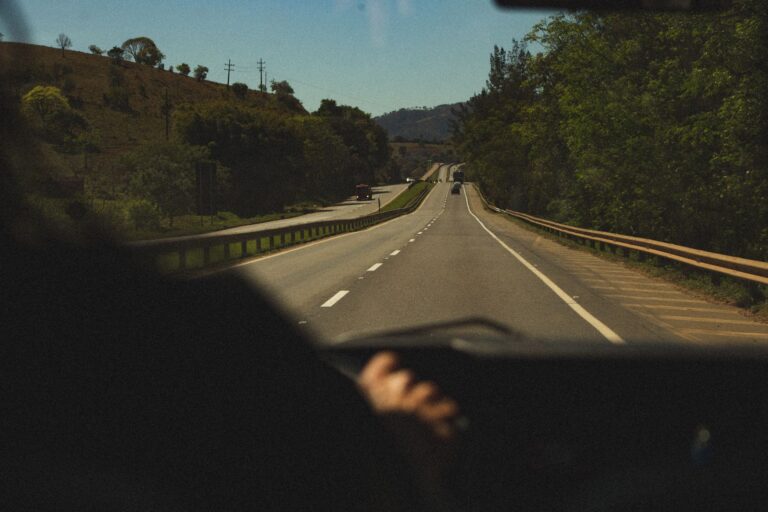
Southern Brazil offers some of the country’s most dramatic landscapes, from subtropical waterfalls and wine regions to coastal towns and European-influenced architecture that distinguish this region from the rest of Brazil. A 10-day road trip through states like Paraná, Santa Catarina, and Rio Grande do Sul allows travelers to experience diverse ecosystems, cultural heritage, and culinary traditions while maintaining a sustainable travel pace. This itinerary balances driving distances with meaningful stops, providing budget-conscious travelers with practical routing and accommodation options.
Understanding Southern Brazil’s Geographic Layout and Road Network
Southern Brazil encompasses three states—Paraná, Santa Catarina, and Rio Grande do Sul—covering approximately 575,000 square kilometers and featuring distinct geographic zones. The region’s road infrastructure includes BR-116, the primary north-south federal highway connecting major cities, alongside well-maintained state highways that access smaller destinations. The terrain transitions from subtropical plateaus in the north to temperate grasslands in the south, with the Serra Geral mountain range creating natural barriers that shape travel routes throughout the region.
The federal highway system in Brazil uses a numbered classification system, with BR designations indicating federal roads maintained by the national government. According to Brazil’s National Department of Infrastructure for Transport, the southern region’s highways connect directly to São Paulo state in the north and Paraguay and Argentina across the western borders, making it a natural hub for regional exploration. Travelers typically base their route on the BR-116 corridor while incorporating detours to coastal areas and interior attractions.
Day-by-Day Itinerary Structure and Route Planning
The optimal 10-day itinerary begins in Curitiba, Paraná’s capital city, and progresses through the region in a logical geographic sequence to minimize backtracking. Days 1-3 cover Curitiba and the Iguazu Falls region near the Paraguayan border, approximately 630 kilometers northwest, representing the trip’s longest single drive. Days 4-6 focus on Santa Catarina’s coastal attractions and mountain regions, while Days 7-10 explore Rio Grande do Sul’s wine country, Gramado’s alpine-style villages, and the coastal city of Porto Alegre.
This routing consolidates driving into three major legs: Curitiba to Iguazu (630 km), Iguazu to Florianópolis (950 km), and Florianópolis to Porto Alegre (1,100 km), with shorter daily drives between intermediate stops. Breaking the Iguazu-to-Florianópolis drive across two days by stopping in Blumenau reduces fatigue and allows exploration of the Santa Catarina interior. The itinerary assumes 4-5 hours of driving per day on average, with rest days built in for major attractions.
Budget Accommodation and Food Strategies for Extended Road Travel
Southern Brazil’s accommodation options range from budget hostels in major cities to small family-run pousadas (guesthouses) in smaller towns, with prices varying significantly based on proximity to tourist attractions. Hostels in Curitiba and Porto Alegre charge approximately 60-90 Brazilian reais per night for dorm beds, while private rooms in pousadas cost 150-300 reais in medium-sized towns like Blumenau and Gramado. Travelers reduce costs by booking accommodations outside city centers and using apps like Booking.com or local tourism websites that feature smaller establishments not listed on major platforms.
Food expenses decrease substantially when travelers use supermarkets for breakfasts and snacks rather than relying on restaurants for every meal. Pão de queijo (cheese bread), fresh fruit, and packaged snacks purchased at local markets cost one-third the price of café da manhã (breakfast) at hotels. Regional specialties like churrasco (barbecued meat) in Rio Grande do Sul and seafood in coastal towns offer better value in casual churrasquerias and beachside restaurants than in tourist-oriented establishments.
Historical Development of Southern Brazil’s Tourism Infrastructure
Southern Brazil’s tourism industry developed significantly after the completion of major highways in the 1970s and 1980s, particularly following the inauguration of the Ponte Internacional da Amizade (International Bridge of Friendship) connecting Foz do Iguaçu to Paraguay in 1965. The region’s European immigration waves—particularly German, Italian, and Polish settlers who arrived between 1880 and 1930—created distinct cultural pockets that influenced architecture, cuisine, and local traditions. These historical settlement patterns explain the prevalence of European-style architecture in towns like Gramado and Blumenau, which developed as agricultural and textile centers before transitioning to tourism.
Iguazu Falls became internationally recognized after the construction of the Estrada de Ferro do Brasil (Brazilian Railway) in the late 1800s, though road access only became practical after highway development in the mid-20th century. The establishment of Iguazu National Park in 1939 and its designation as a UNESCO World Heritage Site in 1986 transformed the area into Brazil’s primary international tourist destination, with visitor numbers exceeding 1.7 million annually by the 2010s.
Frequently Asked Questions
What is the best time to drive through southern Brazil?
Southern Brazil experiences four distinct seasons with varying road conditions and crowd levels. The region’s subtropical and temperate climates mean that winter (June-August) brings occasional rain and cooler temperatures, while summer months bring heat and higher tourism volumes, making shoulder months ideal for balancing weather and crowds.
How much does fuel cost, and what fuel type should I use?
Fuel prices in Brazil fluctuate based on global oil markets and typically range from 5-7 Brazilian reais per liter for gasoline (gasolina) and slightly less for ethanol (álcool). Most rental cars run on either fuel type, though ethanol provides better fuel economy despite slightly lower energy content; travelers should verify fuel type compatibility with their rental vehicle.
Do I need an international driver’s license?
Brazil recognizes International Driving Permits (IDP) alongside valid foreign driver’s licenses, though rental companies typically accept a valid passport and home country driver’s license. Travelers should carry both their home license and an IDP for maximum legal protection, and obtain a CPF (Cadastro de Pessoa Física) tax identification number if renting a vehicle for extended periods.
This 10-day southern Brazil road trip balances major attractions, driving distances, and budget considerations while showcasing the region’s geographic and cultural diversity. By understanding the regional layout, planning accommodation strategically, and recognizing the historical context that shaped settlements and infrastructure, travelers execute a comprehensive exploration of Brazil’s most developed and accessible region.
