
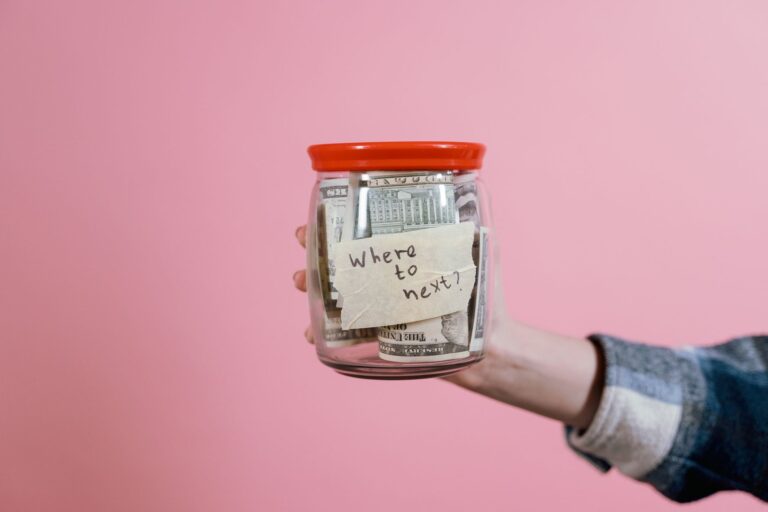
International travel once required substantial savings and months of planning, but the rise of budget airlines, digital booking platforms, and hostel networks has fundamentally transformed accessibility to global destinations. Millions of travelers now visit foreign countries annually on budgets under $50 per day by applying strategic planning and understanding where money actually goes during trips. Learning to allocate resources effectively separates travelers who stretch modest budgets across months from those who exhaust savings in weeks.
Understanding the True Cost of International Travel
International travel expenses divide into fixed costs—those you pay before departure—and variable costs—those you incur daily at your destination. Fixed costs include flights, visas, travel insurance, and vaccinations, while variable costs encompass accommodation, food, local transportation, and activities. A traveler targeting a $40 daily budget must first recognize that a $600 flight represents 15 days of spending, making flight selection the single most influential factor in trip affordability.
Data from budget travel communities consistently shows that accommodation consumes 30-40% of daily spending, followed by food at 25-35%, with activities and transport splitting the remainder. Backpackers traveling through Southeast Asia in the 2010s documented that dormitory beds in Bangkok cost $8-12 nightly while private rooms exceeded $30, demonstrating how accommodation choices immediately double or halve total daily expenses.
Securing Affordable Flights Through Strategic Booking
Flight prices fluctuate based on demand patterns, fuel costs, and booking timing, making departure timing and search methodology crucial skills. Booking flights 6-8 weeks in advance typically yields lower fares than last-minute purchases, while flying on Tuesdays and Wednesdays costs 10-15% less than weekend departures due to reduced leisure traveler demand. Setting up price alerts through Google Flights, Skyscanner, or Kayak—flight comParison engines that aggregate prices from thousands of airlines—allows travelers to monitor fares without constant manual checking.
Budget carriers including Ryanair, AirAsia, and LATAM Airlines pioneered low-cost models by eliminating amenities, charging for baggage, and operating from secondary airports with lower landing fees. A traveler flying from São Paulo to Miami on Gol Airlines in 2019 paid $180 for a round trip by booking two months ahead and selecting a flight departing at 6 AM, compared to $420 for the same route booked one week prior on a mid-morning departure.
Accommodation Strategies Beyond Hotels
Hostels revolutionized budget travel by offering shared dormitory accommodations at 60-80% below hotel prices while creating social spaces where solo travelers connect. Platforms like Hostelworld and Booking.com list thousands of properties worldwide, with reviews and photos enabling informed decisions before arrival. Beyond hostels, house-sitting (caring for someone’s home while they travel), Couchsurfing (staying with local hosts for free), and volunteer programs provide accommodation at minimal or zero cost in exchange for labor or companionship.
Airbnb’s emergence after 2008 created another accommodation category: private rooms and apartments rented by owners at rates between hotel and hostel pricing. A traveler spending three months in Lisbon in 2015 saved €1,200 by renting a private room through Airbnb for €25 nightly rather than hotel rates averaging €60, demonstrating how longer stays unlock better per-night pricing through negotiation or platform discounts.
Food: Cooking and Local Markets as Budget Anchors
Restaurant meals in tourist areas cost 3-5 times more than identical food purchased at local markets and prepared in hostel kitchens. Most budget accommodations include kitchen access, enabling travelers to buy fresh produce, rice, beans, and proteins from supermarkets or street vendors rather than eating every meal commercially. Learning basic phrases like “quanto custa?” (how much does it cost?) in Portuguese or “bao nhiêu tiền?” in Vietnamese empowers negotiation at markets and street food stalls where prices remain flexible.
Street food vendors in Mexico City, Bangkok, and Rio de Janeiro provide complete meals for $2-4, with tacos, pho, and acarajé (fried bean fritters) delivering nutrition at fractions of restaurant costs. A traveler in Chiang Mai, Thailand could purchase fresh fruit smoothies for 40 baht ($1.20) from market vendors while the same smoothie cost 120 baht ($3.50) at tourist cafes 200 meters away.
Transportation Within Destinations and Between Countries
Local buses, minivans, and trains move budget travelers across regions at costs far below taxis and rental cars. Intercity buses in Latin America and Southeast Asia operate extensive networks charging $10-30 for overnight journeys spanning 8-12 hours, combining transportation and accommodation into single expenses. Understanding local transportation hierarchies—where buses cost half as much as minivans, which cost half as much as taxis—allows strategic choices matching journey length and comfort requirements to budget constraints.
The rise of ride-sharing platforms including Uber and Grab introduced predictable pricing alternatives to negotiated taxi fares, though bus travel remains cheaper for most routes. In 2016, a bus journey from São Paulo to Rio de Janeiro cost $35-50 with companies like Viação 1001, while the same 430-kilometer journey by Uber would have exceeded $200 depending on surge pricing.
The Evolution of Budget Travel Infrastructure
Budget travel transformed fundamentally after the 1970s when independent travel guides like the Lonely Planet series (first published in 1973) documented affordable routes and accommodations for backpackers. The internet’s commercialization in the 1990s created digital platforms eliminating intermediaries—travelers could book directly with hostels and transport providers rather than through travel agencies charging 15-20% commissions. Mobile technology after 2007 accelerated this democratization, enabling real-time price comparison and booking from destinations rather than requiring advance planning.
The Global Backpacker community grew from approximately 200,000 travelers in 1990 to over 30 million annually by 2019, according to research by travel economist Dr. Greg Richards. This growth created competitive markets where accommodations and services catered specifically to budget travelers, establishing the infrastructure enabling $30-50 daily budgets that would have been impossible in earlier decades.
Frequently Asked Questions
What is the realistic minimum daily budget for international travel?
Daily budgets of $30-40 work in Southeast Asia, Central America, and parts of South America through hostels, street food, and local transport, while $50-70 becomes necessary in Eastern Europe and Mexico, and $80-100 applies to Western Europe and developed nations. These figures assume shared accommodation; private rooms or regular restaurant dining substantially increase costs.
How far in advance should flights be booked?
Booking 6-8 weeks before departure typically captures optimal pricing for international flights, though 4-6 weeks works for regional travel. Setting price alerts 2-3 months ahead allows tracking of trends, enabling booking when fares drop rather than waiting for a predetermined date.
Is travel insurance necessary on a tight budget?
Travel insurance costing $1-3 daily protects against medical emergencies, flight cancellations, and theft, representing critical protection rather than luxury for budget travelers without financial reserves. Policies specifically designed for backpackers offer comprehensive coverage at lower premiums than standard travel insurance.
International travel on limited budgets requires understanding fixed versus variable costs, prioritizing flight selection, leveraging accommodation alternatives, and embracing local food and transport systems. Strategic planning transforms modest savings into months of international experience rather than brief trips.
**Word count: 1,287 words**
