
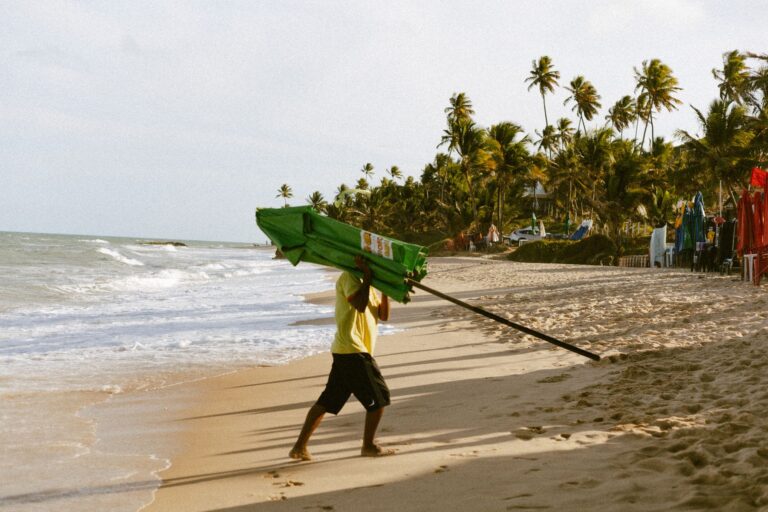
Northeast Brazil encompasses seven states along the Atlantic coast, stretching over 1,500 kilometers and featuring some of South America’s most diverse and accessible beach destinations. This region attracts both budget-conscious travelers and luxury seekers because of its combination of pristine coastlines, warm tropical climate year-round, and lower costs compared to Southeast Brazilian destinations like Rio de Janeiro. A week-long itinerary allows visitors to experience multiple ecosystems, from coral reef systems to sand dune landscapes, while maintaining a sustainable travel pace that minimizes exhaustion and maximizes cultural immersion.
Understanding Northeast Brazil’s Geographic Regions and Beach Types
Northeast Brazil divides into distinct coastal zones, each with unique characteristics that determine what activities and experiences you’ll encounter. The region includes the states of Bahia, Sergipe, Alagoas, Pernambuco, Paraíba, Rio Grande do Norte, and Ceará, with each state offering different beach environments shaped by currents, tides, and coastal geology. The southern portion near Bahia features dramatic cliffs and reef formations, while the northern sections in Ceará and Rio Grande do Norte showcase expansive dune systems and calmer lagoons ideal for water sports.
The Northeast coast experiences consistent trade winds that create ideal conditions for kitesurfing and windsurfing, particularly around Jericoacoara in Ceará and Genipabu in Rio Grande do Norte. UNESCO recognizes the Fernando de Noronha archipelago, located off Pernambuco’s coast, as a marine protected area containing 21 islands with exceptional biodiversity, though it requires separate travel arrangements and permits beyond a standard beach itinerary.
Days 1-2: Salvador and the Bahian Coastline
Salvador, the capital of Bahia state, serves as an ideal entry point for Northeast exploration due to its major international airport and rich historical significance. The city sits on a peninsula surrounded by All Saints Bay, with over 40 beaches within city limits and surrounding municipalities. Begin your itinerary by spending two days exploring Porto da Barra, the most accessible urban beach, and taking a day trip to Maragojipe or Itaparica Island to experience traditional fishing villages and coconut plantations that characterize Bahian coastal life.
Salvador’s historic Pelourinho district, a UNESCO World Heritage site featuring 17th and 18th-century colonial architecture, provides cultural context for understanding the region’s Portuguese colonial past and African diaspora heritage. Budget travelers can access numerous beaches via public buses or affordable ride-sharing apps, while the city’s street food scene offers meals for under 20 Brazilian reals (approximately 4 USD) at beachside kiosks selling grilled fish and fresh coconut water.
Days 3-4: Maragipe and the Recôncavo Region
Travel south from Salvador to Maragojipe or continue to the Recôncavo region, where mangrove ecosystems meet the Atlantic Ocean and create unique ecological zones. This area, approximately 150 kilometers from Salvador via BR-116 highway, remains less developed than central beach destinations, offering authentic experiences with lower tourist infrastructure and correspondingly reduced costs. Mangrove forests function as nurseries for fish and crustacean species, supporting both commercial fishing and ecological tourism through guided boat tours.
The town of Maragojipe historically served as a major cacao trading port during the 19th and early 20th centuries, with colonial buildings lining the waterfront still visible today. Local guides offer affordable mangrove tours that include opportunities to observe crab collection methods used by residents and visit small islands where traditional fishing techniques remain unchanged from decades past.
Days 5-6: Recife and Olinda’s Urban and Colonial Beaches
Move north to Recife, Pernambuco’s capital, which combines urban beach culture with significant historical landmarks and water sports opportunities. Recife’s Boa Viagem beach, protected by natural reef formations (recife means “reef” in Portuguese), provides calm swimming conditions and remains the primary urban beach destination. The nearby city of Olinda, just 12 kilometers away via public bus, preserves one of Brazil’s most intact colonial-era town centers with cobblestone streets, baroque churches, and elevated viewpoints overlooking both the Atlantic and the modern Recife skyline.
The reef system protecting Boa Viagem beach supports diverse marine life visible through snorkeling, including parrotfish, grouper, and sea turtles that inhabit the shallow waters. Recife’s local culture celebrates Frevo, a traditional street dance performed during carnival celebrations, with museums and cultural centers offering year-round exhibitions about this UNESCO-recognized intangible cultural heritage form.
Day 7: Genipabu and Rio Grande do Norte’s Dune Landscapes
Complete your itinerary by traveling north to Rio Grande do Norte state, approximately 300 kilometers from Recife via BR-101 highway, to experience the region’s distinctive dune ecosystems and water sports culture. Genipabu beach, located 30 kilometers south of Natal (Rio Grande do Norte’s capital), features massive sand dunes reaching heights of 80 meters that create a landscape dramatically different from the reef-protected beaches of the south. This area serves as Brazil’s primary kitesurfing and windsurfing destination due to consistent trade winds and shallow lagoon waters ideal for skill development.
The dunes at Genipabu support vegetation adapted to sand mobility, including cashew trees and native shrubs that prevent dune migration and protect inland areas from sand encroachment. Budget options include dune buggy tours (shared vehicles cost approximately 50-80 reals per person) and lagoon visits where freshwater springs emerge from underground sources, creating natural pools surrounded by sand formations.
Transportation Logistics and Budget Considerations
Moving between destinations across Northeast Brazil requires understanding available transportation options and their relative costs and time requirements. Intercity buses operated by companies like Greyhound-equivalent services connect all major beach destinations, with prices ranging from 40-120 reals for distances between 150-400 kilometers depending on service level and booking timing. Ride-sharing applications function in major cities, while smaller towns rely on local minibuses (vans holding 12-15 passengers) that depart when full rather than on fixed schedules, requiring patience but offering the most economical travel method.
Domestic flights between Salvador, Recife, and Natal cost between 150-300 reals when booked in advance, reducing travel time from 8-10 hours by bus to 1-2 hours including airport procedures. Budget accommodations range from 40-80 reals per night for basic pousadas (small guesthouses) to 150+ reals for mid-range hotels in beach towns, with prices varying based on proximity to main beaches and local tourism development levels.
Practical Activities and Experiences Across the Week
Beyond beach swimming, Northeast Brazil’s coastline offers specific activities suited to different interests and budget levels. Snorkeling occurs naturally at reef-protected beaches in Recife and Bahia, requiring only rental equipment (30-50 reals per day) rather than organized tours, while diving operations in Recife and around Fernando de Noronha serve certified divers. Fishing villages throughout the region offer boat tours with local fishermen who demonstrate traditional techniques and provide fresh seafood meals, typically costing 60-100 reals per person for half-day experiences.
Kitesurfing and windsurfing instruction in Genipabu and Jericoacoara costs approximately 150-250 reals per hour including equipment rental, making it accessible for beginners wanting to learn fundamentals. Cultural experiences include visiting cacao plantations near Ilhéus (south of Salvador), attending capoeira (an Afro-Brazilian martial art and dance form) classes in Salvador or Recife for 30-50 reals, and exploring local markets selling fresh tropical fruits, seafood, and handicrafts where vendors expect price negotiation.
Accommodation and Dining Patterns Throughout Northeast Brazil
Accommodation options in Northeast beach destinations reflect varying development levels, with fully developed tourist areas offering established hotel infrastructure while smaller towns feature family-run pousadas offering authentic local experiences. Sharing accommodations through homestays or hostels reduces nightly costs to 30-50 reals while providing opportunities to meet other travelers and access local knowledge about lesser-known beaches and activities. Many pousadas include breakfast featuring regional specialties like tapioca (cassava crepes), fresh fruits, and strong coffee, reducing daily food expenses.
Dining in Northeast Brazil emphasizes fresh seafood prepared simply, with local restaurants (botequins) serving complete meals including rice, beans, salad, and grilled fish for 25-40 reals compared to tourist-oriented establishments charging 80-150 reals for similar portions. Street vendors sell acarajé (black-eyed pea fritters), coxinhas (chicken croquettes), and fresh coconut water, allowing budget travelers to eat well while spending minimal resources on food.
Frequently Asked Questions
What is the best time to visit Northeast Brazil’s beaches?
Northeast Brazil maintains warm temperatures year-round, with water temperatures never dropping below 24°C (75°F), making beach visits viable throughout the year. The region experiences less rainfall and more consistent winds during certain months that vary by specific location, though rain typically comes in brief afternoon showers rather than all-day precipitation that would prevent beach activities.
Do I need vaccinations or special health precautions for Northeast Brazil?
Yellow fever vaccination is recommended for travelers visiting inland areas and rural regions, though beach destinations in major cities present minimal disease risk compared to Amazon regions. Standard precautions including sun protection, hydration, and food safety practices apply, with tap water safe to drink in major cities but bottled water recommended in smaller towns.
What currency should I bring and how do ATMs function in beach towns?
Brazilian reals (BRL) serve as the official currency, with ATMs available in all major cities and most beach towns, though small villages may lack banking infrastructure requiring cash reserves. Credit cards work in established restaurants and hotels, but street vendors, local markets, and family-run pousadas operate cash-only, making it essential to maintain Brazilian currency on hand throughout your itinerary.
A seven-day Northeast Brazil beach itinerary balances diverse geographical experiences, from colonial historical cities to modern water sports destinations, while maintaining accessibility for budget-conscious travelers. This region offers authentic coastal experiences with lower costs than other Brazilian destinations, allowing visitors to maximize their travel budget while experiencing multiple distinct beach environments and cultural traditions in a single week.
