
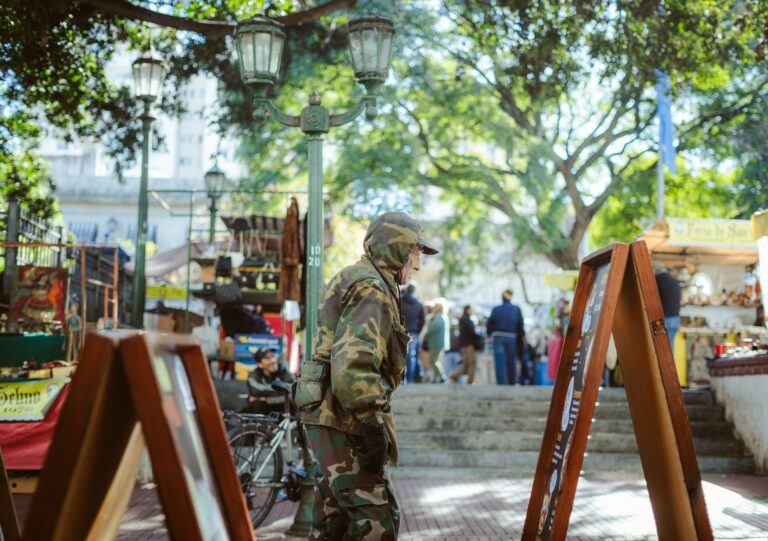
Buenos Aires, the capital of Argentina, ranks among South America’s most walkable and culturally dense cities, making it ideal for a concentrated weekend visit. The city spans 203 square kilometers across 48 neighborhoods, each with distinct character, architecture, and dining scenes that reward exploration on foot. A well-planned 48-hour itinerary maximizes exposure to the city’s European-influenced neighborhoods, tango heritage, and world-class food culture while remaining logistically feasible for travelers with limited time.
Understanding Buenos Aires’ Neighborhood Structure and Transit System
Buenos Aires organizes itself into distinct barrios, or neighborhoods, that function almost as separate towns within the metropolitan area. Each neighborhood developed during different historical periods and attracts different visitor demographics and activities. The city’s Subte (subway system) consists of six lines labeled A through H, plus two pre-metro lines, connecting major neighborhoods efficiently and affordably at approximately 12 Argentine pesos per ride as of recent years.
The city covers significant distances—traveling from the northern suburbs to the southern neighborhoods requires at least 45 minutes by public transport. Understanding which neighborhoods align with your interests prevents wasted travel time and allows you to cluster activities geographically, maximizing the ground you cover during a two-day visit.
Day One: Historic Center and San Telmo Exploration
Begin your weekend in the city’s historic heart, the Centro, where Buenos Aires’ founding in 1580 by Juan de Garay left tangible marks on the urban landscape. Start at Plaza de Mayo, the symbolic center of Argentine politics, where the Casa Rosada (the presidential palace) occupies the eastern edge with its distinctive pink neoclassical facade completed in 1898. The Metropolitan Cathedral, begun in 1754, stands on the plaza’s north side and houses the mausoleum of national hero José de San Martín, the general who led independence movements across South America.
Walk south from Plaza de Mayo along Calle Defensa toward San Telmo, one of Buenos Aires’ oldest neighborhoods established in the 17th century as a residential area for merchants and laborers. The neighborhood’s colonial architecture survived the yellow fever epidemic of 1871 that devastated other central areas, preserving its character and drawing artists and tango practitioners throughout the 20th century.
In San Telmo, explore the Antiques Market (Feria de San Telmo), which operates every Sunday in Plaza Dorrego since 1970, where vendors sell vintage tango records, furniture, and collectibles from the neighborhood’s storied past. Visit the Museo Histórico Nacional (National History Museum) in the former residence of Martín Miguel de Güemes, which documents Argentine history from pre-Columbian times through the 20th century. Spend your evening in San Telmo’s narrow cobblestone streets, where tango bars and restaurants cluster around Calle Balcarce and Calle Defensa, experiencing live music performances that range from intimate to theatrical.
Navigating Buenos Aires’ Tango Culture and Dining Scene
Tango originated in Buenos Aires during the 1880s in the neighborhoods of La Boca and San Telmo, blending African, European, and indigenous musical influences into a distinctive genre that became central to Argentine identity. Unlike tango shows in tourist-oriented venues, authentic tango exists in milongas (dance halls), underground venues, and street performances where locals practice the dance. Understanding the distinction between commercialized tango performances and genuine cultural spaces helps you allocate your time and budget appropriately.
Buenos Aires’ restaurant culture emphasizes parrillas (steakhouses) and asados (grilled meats), reflecting the country’s cattle ranching heritage and the gaucho (cowboy) tradition of the pampas. A typical Argentine dinner occurs between 9 and 11 p.m., later than North American or European dining times. The city’s wine regions, particularly Mendoza Province in the western foothills of the Andes Mountains, produce Malbec grapes that pair naturally with Argentine beef, and most restaurants offer extensive wine lists featuring local producers at reasonable markups.
Day Two: La Boca, Recoleta, and Modern Buenos Aires
On your second day, travel to La Boca, the historic port neighborhood where tango was born and where the Río de la Plata (the river separating Argentina from Uruguay) shaped the neighborhood’s development as a working-class immigrant community. The neighborhood’s most famous street, Caminito, features brightly painted buildings in yellow, blue, and red that reflect the neighborhood’s maritime heritage and working-class roots. The street became pedestrianized and touristy beginning in the 1950s but remains iconic; the tango song “Caminito” (composed in 1926 by Juan de Dios Filiberto) immortalized the location in Argentine culture.
Visit the Museo de la Pasión Boquense (museum dedicated to Boca Juniors football club), which documents the history of one of Argentina’s most successful and culturally significant sports teams, founded in 1905. The museum occupies the club’s historic stadium, La Bombonera, and provides insight into the passion Argentine culture attaches to football. Alternatively, explore the MALBA (Latin American Art Museum of Buenos Aires), which houses works by Diego Rivera, Frida Kahlo, and contemporary Argentine artists in a renovated mansion in the upscale Palermo neighborhood.
Spend your afternoon in Recoleta, Buenos Aires’ most affluent neighborhood, where the Recoleta Cemetery (Cementerio de la Recoleta) attracts visitors with its elaborate marble mausoleums and the grave of Eva Perón, the 20th-century political figure and actress who became a national symbol through her work with the poor and her marriage to President Juan Domingo Perón. The cemetery, established in 1822, functions as an open-air museum of Argentine history and architecture. Nearby, the MALBA and the Museo Nacional de Bellas Artes (National Museum of Fine Arts) provide world-class art collections without entrance fees at the latter.
Historical Development and Architectural Layers
Buenos Aires developed in distinct waves that created the architectural diversity visible today across its neighborhoods. The colonial period (1580-1810) established the Centro and San Telmo as administrative and residential zones, followed by the independence period (1810-1880) that saw the city expand southward. The Belle Époque period (1880-1930), following the completion of major port infrastructure, brought European immigration and neoclassical architecture that transformed neighborhoods like Recoleta and Palermo into fashionable residential areas modeled on Paris and Madrid.
The construction of the Subte beginning in 1913 fundamentally reshaped the city by enabling residents to live farther from their workplaces and by concentrating commercial activity along transit lines. Line A, the first Subte line opened in 1913, connected the Centro to San Pedrito in the south and followed the path of a former horse-drawn streetcar line. This infrastructure investment preceded similar systems in most other Latin American cities by decades, reflecting Buenos Aires’ status as one of the hemisphere’s most developed urban centers during the early 20th century.
Frequently Asked Questions
What is the best time to visit Buenos Aires for a weekend trip?
Buenos Aires functions as a year-round destination with distinct advantages in each season. The city experiences mild winters (June-August) with temperatures around 8-16°C and summers (December-February) reaching 24-30°C; both periods work well for walking-intensive itineraries. Spring and autumn offer moderate temperatures and fewer tourists in major attractions, reducing crowds at museums and popular neighborhoods.
How much money should I budget for a two-day visit to Buenos Aires?
Budget travelers can navigate Buenos Aires on $60-80 USD daily including accommodation, meals, and attractions by using the Subte, eating at casual parrillas, and visiting free or low-cost museums. Mid-range travelers spending $100-150 daily can access better restaurant experiences, paid museum entry, and tango performances. Luxury travelers spending $200+ daily can enjoy high-end dining, private tours, and premium tango shows with dinner.
Is it necessary to speak Spanish to navigate Buenos Aires?
English speakers can navigate major tourist areas, restaurants, and hotels with moderate difficulty, though learning basic Spanish phrases significantly improves the experience and local interactions. Younger Argentines in central neighborhoods often speak English, but older residents and those in residential barrios typically speak only Spanish. Carrying a translation app or phrasebook ensures you can communicate for transit directions, restaurant ordering, and museum visits.
A weekend in Buenos Aires provides sufficient time to experience the city’s historic neighborhoods, understand its cultural significance in tango and Argentine identity, and sample its renowned food and wine culture. Strategic neighborhood selection and efficient use of public transit maximize your exploration while maintaining a sustainable pace that allows genuine engagement with the city’s character.
